
CISH
The Comité international des sciences historiques (CISH) is an association aimed at uniting National Committees, International Organisations of historians or individual members to promote the advancement of the historical sciences.
As the world organisation of historians and in accordance to its Constitution, the CISH promotes and supports historical scholarship worldwide (1); develops and upholds professional and academic standards in the historical sciences (2); respects, protects, and promotes universal human rights; defends academic freedom in historical research, communication, and education; and opposes the abuse of history (3); engages critically with the public use of historical narratives, arguments, and analyses in political and societal debates (4); and finally organises the World Congresses of Historical Sciences at least once every five years (5).
Founded in Geneva on 14 May 1926, this non-governmental organisation currently brings together 54 National Committees of historians and 30 International Organisations engaged in historical research.
The National Committees represent research institutions from various countries, while affiliated International Organisations focus on diverse research fields.
All member institutions participate in the General Assembly, the highest body of CISH.
The CISH has the power to establish internal commissions to which it delegates mandates, organise scientific events, and award prizes such as the International Prize for History.
Every five years, the CISH organises the World Congress of Historical Sciences with one of its National Committee.
CISH President’s Address
Sacha Zala outlines
the four priorities of his term.
Constitution
The actual Constitution was adopted by the General Assembly in Leipzig on 27 August 2026.
1 The Comité international des sciences historiques – International Committee of Historical Sciences, founded on 14 May 1926 in Geneva, is a not-for-profit association in accordance with Articles 60 et seq. of the Swiss Civil Code, with its seat in Switzerland.
1 CISH is the world organisation of historians. It promotes the historical sciences by fostering international cooperation, research, education, dialogue, and the dissemination of knowledge. It facilitates communication among its member organisations and individual members, and with other disciplines concerned with the relationships between the past, the present, and the future.
2 CISH pursues the following objectives:
a. to promote and support historical scholarship worldwide;
b. to develop and uphold professional and academic standards in the historical sciences;
c. to respect, protect, and promote universal human rights; to defend academic freedom in historical research, communication, and education; and to oppose the abuse of history;
d. to engage critically with the public use of historical narratives, arguments, and analyses in political and societal debates;
e. to organise the World Congresses of Historical Sciences at least once every five years.
1 Member organisations of CISH are:
a. National Committees of historians;
b. International Affiliated Organisations.
2 Each member organisation is represented at the General Assembly by a delegate, who may be accompanied by a substitute. Each member organisation has one vote.
3 Member organisations can propose panels individually or jointly with other members of CISH for the World Congress of Historical Sciences.
4 Membership ends through resignation or exclusion.
5 Every member that has not paid its membership fees for three years loses its right to vote. After five years, the member is deemed to have withdrawn de facto.
6 Any member that violates Art. 2 shall be liable for exclusion according to Art. 65.
1 Qualified scholars in the historical sciences may apply for individual membership.
2 Individual members:
a. may propose a panel individually or jointly with other members of CISH for the World Congress of Historical Sciences;
b. may benefit from other advantages determined by the Board;
c. pay an annual fee determined by the Board.
3 Individual membership ends through resignation, exclusion, or non-payment of the annual fee for two consecutive years.
1 The organs of CISH are:
a. the General Assembly;
b. the Board;
c. the Presidium;
d. the Office;
e. the Nominating Committee.
1 The General Assembly is the highest body of CISH. It consists of all member organisations.
2 The General Assembly is convened by the Board with a notice period of at least eight weeks.
3 Six member organisations may request the inclusion of items on the agenda until four weeks before the General Assembly.
4 Unless otherwise specified, the General Assembly decides by a simple majority of the members present and entitled to vote. In the event of a tie, the President has the casting vote.
5 Votes on the admission of new members, on the exclusion of members, and on constitutional amendments require a two-thirds majority of the members present and entitled to vote.
6 The General Assembly takes place:
a. once a year, either online or in person;
b. extraordinarily upon decision of the Board or at the request of ten member organisations;
c. following a preparatory meeting of all member organisations held at least eight weeks before the General Assembly, if the election of a new Board or a new President is on the agenda.
7 The General Assembly:
a. establishes the Constitution;
b. elects the President, and the members of the Board and Nominating Committee;
c. decides on the admission or exclusion of member organisations;
d. approves the annual report, balance sheet, and income statement;
e. approves the budget of the upcoming year;
f. determines membership fees;
g. chooses the candidate(s) for hosting the World Congress of Historical Sciences.
1 The Board is the political body of CISH.
2 It consists of the President and up to fourteen other members as well as the Executive Director and the most recent past President, both serving in an advisory role. It normally meets four times a year.
3 National Committees must be represented by at least eight members in the Board.
4 The Board issues organisational regulations.
5 The Board:
a. leads CISH in all areas not within the competence of the Presidium;
b. determines the strategic goals of CISH;
c. submits proposals to the General Assembly;
d. issues by-laws;
e. prepares the budget;
f. establishes committees, defines their mandates, and selects their members;
g. decides on the venue and organisation of the World Congress of Historical Sciences;
h. elects two Vice Presidents from its members;
i. elects a Treasurer from its members, who regularly reports to the Board on the finances of CISH;
j. delegates one of its members, other than the President, to the Presidium;
k. appoints the Executive Director upon the President’s proposal;
l. decides on the admission and exclusion of individual members.
1 The Presidium is the executive body of CISH.
2 It consists of the President, the Treasurer, one delegate of the Board, as well as the Executive Director, who has an advisory role.
3 The Presidium:
a. decides on urgent matters going beyond the Office’s competence;
b. conducts the negotiations for hosting the World Congress of Historical Sciences;
c. determines salaries and compensation.
1 The Office is the operational body of CISH.
2 It consists of the President and the Executive Director.
3 It is responsible for all matters not assigned to another body, particularly the organisation of all meetings, membership administration, and financial operations.
1 The Nominating Committee prepares a proposal for the election of the Board and the President for the General Assembly.
2 It consists of the members of the Presidium and four qualified scholars in the historical sciences.
1 CISH is represented by the President or by a delegated representative. In legally binding matters, the President signs jointly with the Executive Director.
2 CISH’s liabilities are limited to its assets. Its members bear no personal liability.
3 Terms of office are for a period of not less than three and not more than five years, depending on the interval between successive World Congresses of Historical Sciences, and are as follows:
a. The President may be re-elected once. The President must previously have served as a member of the CISH Board. Upon leaving office, the President may be awarded the title of Honorary President.
b. Board members may be re-elected once. At each general election, at least two members of the Board shall be newly elected.
c. Members of the Nominating Committee who are not members of the Board may be re-elected once.
4 Members of the Board, the Nominating Committee and the President must not be over 70 years of age at the time of election. If the President is unable to serve the term to the end, the Board appoints a Vice President to become President and complete the term.
5 Organisations wishing to join CISH must apply to the Board at least six months before the next General Assembly.
6 Proposals for amendments to the Constitution must be included in the invitation to the General Assembly.
7 The dissolution of CISH, or its merger with another association, requires a two-thirds majority vote of the General Assembly. A merger is only possible with another not-for-profit legal entity based in Switzerland. Within six months, an extraordinary General Assembly must be convened to confirm the dissolution or merger by a two-thirds majority. In the event of dissolution, CISH’s assets must be transferred to a not-for-profit legal entity based in Switzerland.
Leipzig, 27 August 2026
Sacha Zala, President
This Constitution was adopted unanimously by the General Assembly in Leipzig on 27 August 2026, on the occasion of the CISH Centennial Conference.
Board, Presidium & Office
The CISH is administered by three bodies: the Board, the Presidium, and the Office. These three bodies are responsible for the strategic, organisational, and operational aspects of the CISH.
The Board is the political body of CISH. It consists of the President and up to fourteen other members as well as the Executive Director and the most recent past President, both serving in an advisory role. It normally meets four times a year.
The Presidium is the executive body of CISH and consists of the President, the Treasurer, one delegate of the Board, as well as the Executive Director, who has an advisory role.
The Office is the operational body of CISH. It consists of the President and the Executive Director.
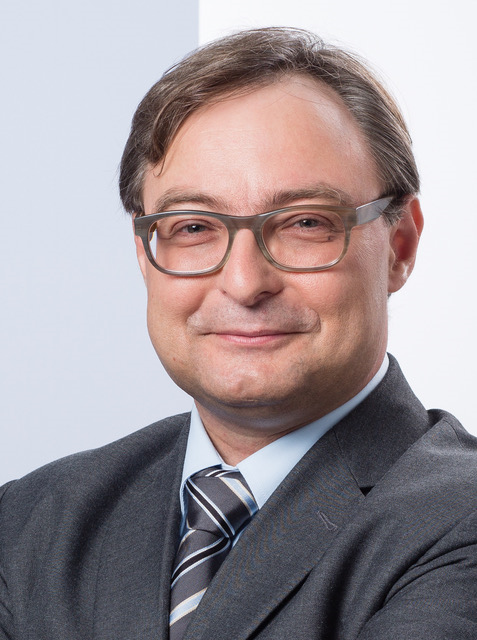
Prof. Sacha Zala
Swiss Society for History
Dodis
University Bern
Elected on 27 August 2026
sacha.zala@cish.org

To be defined during the first meeting of the newly elected Board in Leipzig on 27 August 2026.
To be defined during the first meeting of the newly elected Board in Leipzig on 27 August 2026.
Prof. Sacha Zala
Swiss Society for History
Dodis
University Bern
Elected on 27 August 2026
sacha.zala@cish.org
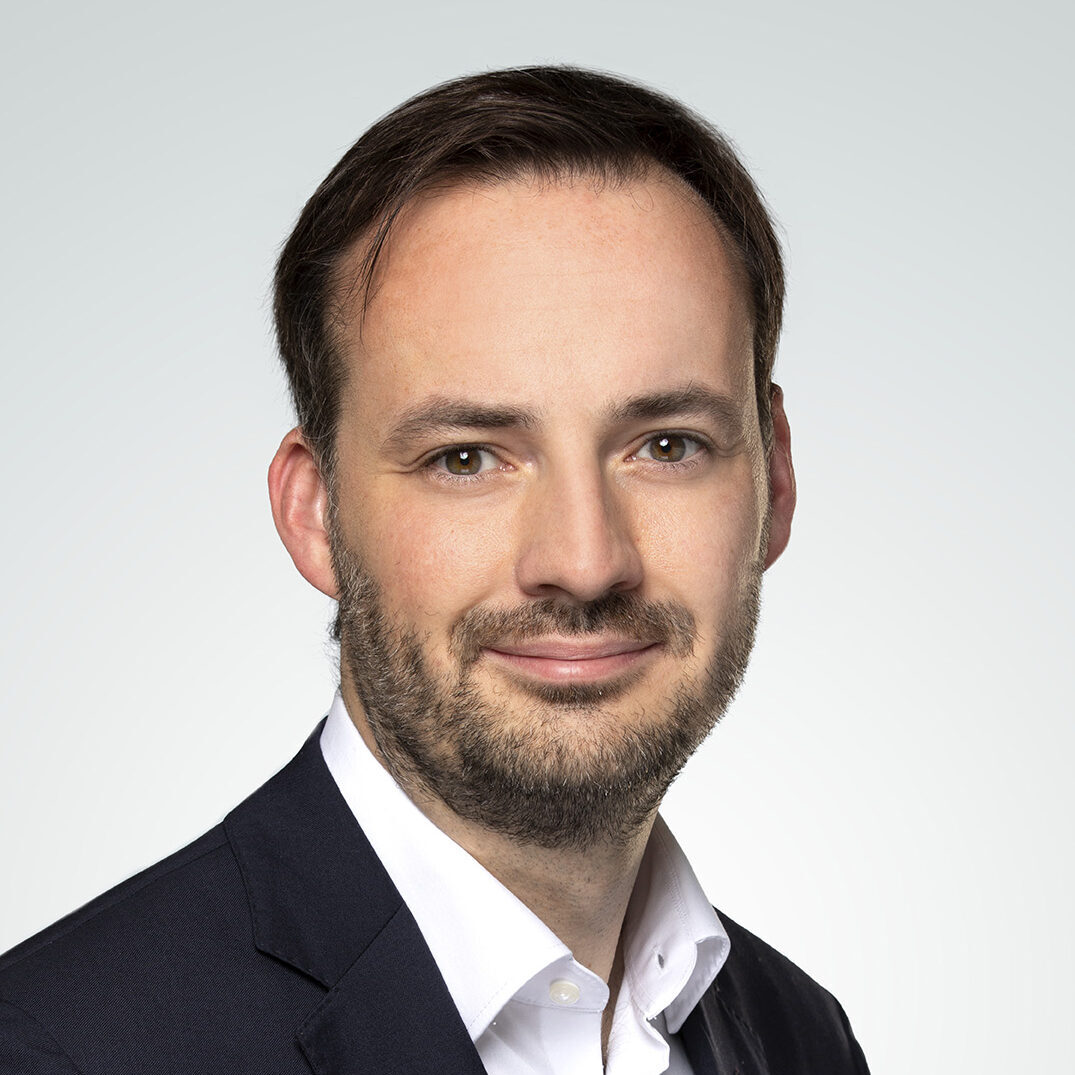
Dr. Flavio Eichmann
Administrative Office
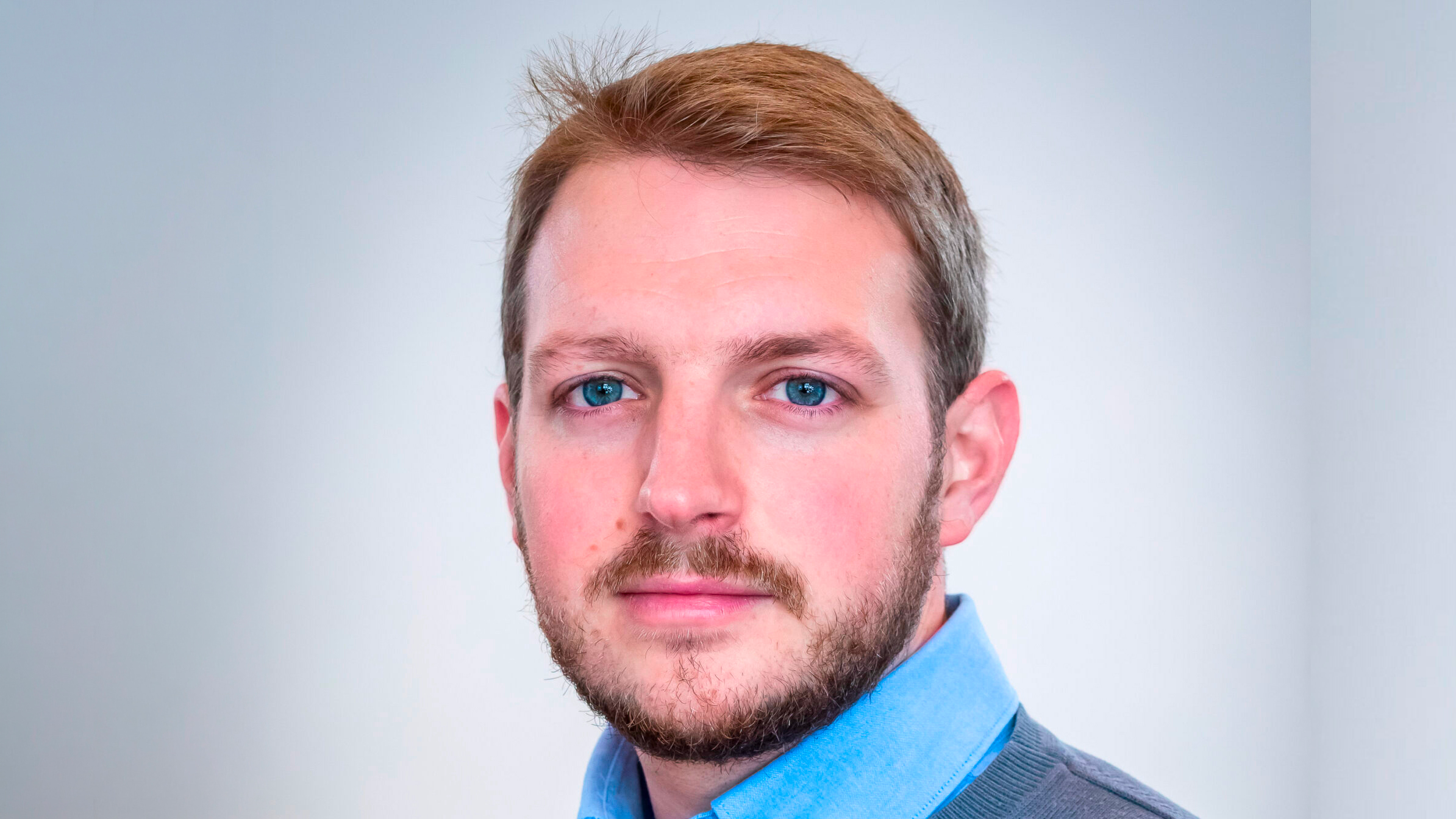
Dr. Marc Aberle
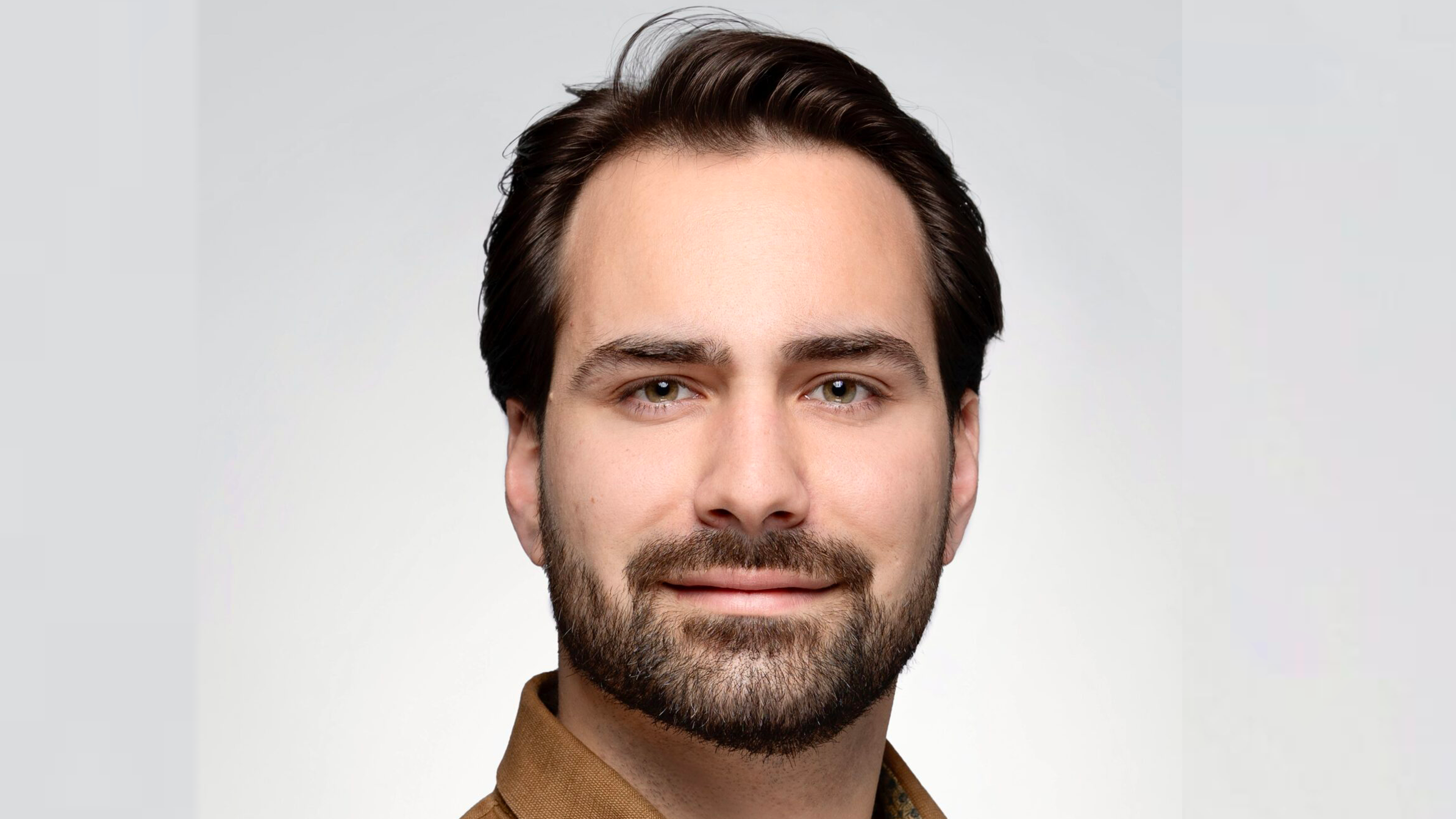
Eli Aisics BA
Prof. Sacha Zala
Swiss Society for History
Dodis
University Bern
Elected on 27 August 2026
sacha.zala@cish.org
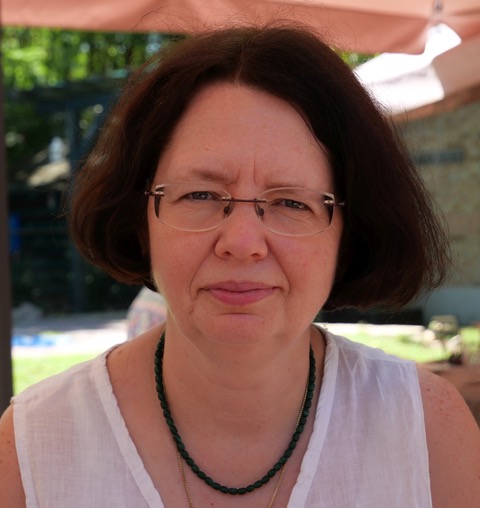
Prof. Katalin Szende
Hungarian National Committee / Commission for the History of Towns
Department of Medieval Studies, Central European University
Budapest/Vienna
Reelected on 27 August 2026
szendek@ceu.edu
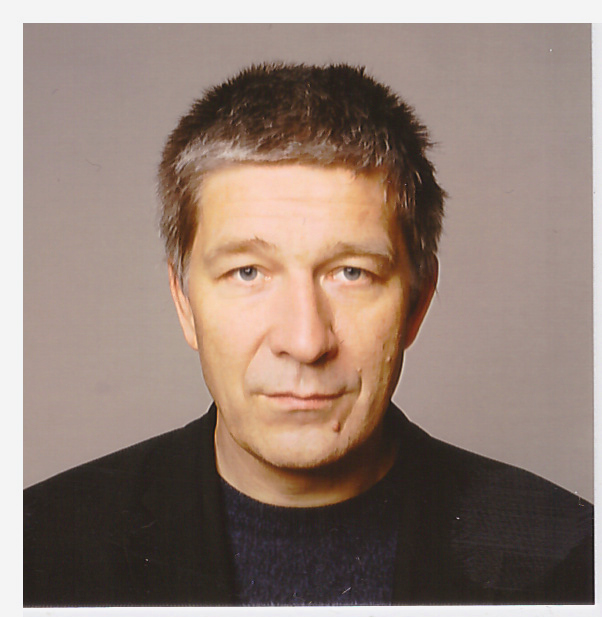
Prof. Matthias Middell
German National Committee
Global and European Studies Institute
University of Leipzig
Reelected on 27 August 2026
middell@uni-leipzig.de
Prof. Gabriela Pellegrino Soares
Brazilian National Committee
Departamento de História
Universidade de São Paulo
Elected on 27 August 2026

Prof. Radmila Švaříčková Slabáková
Elected on 27 August 2026
Prof. Anne Conchon
French National Committee
Université Paris I-Panthéon-Sorbonne
Elected on 27 August 2026
Prof. Tyson Retz
International Commission for the History and Theory of Historiography
University of Stavanger
Elected on 27 August 2026
Dr. Mahmood Kooria
International Consortium for Oceanic History
University of Edinburgh
Elected on 27 August 2026
Prof. Joanna Wojdon
Committee of Historical Sciences of the Polish Academy of Sciences
International Society for History Didactics / International Federation for Public History
Uniwersytet Wrocławski
Elected on 27 August 2026
Prof. Irene Gaddo
Italian National Committee
Università del Piemonte Orientale
Elected on 27 August 2026
Prof. Tamar Herzig
The Historical Society of Israel
Tel Aviv University
Elected on 27 August 2026
Photo credit: Efrat Eshel
Dr. Miloš Vojinović
Serbian National Committee
Prof. Kimberly Welch
American Historical Association
Vanderbilt University
B.A. Elina Ziehm
International Students of History Association
Leipzig University
Not eligible to vote
- Prof. Catherine Horel, Past President
- Dr. Flavio Eichmann, Executive Director ad interim
Board Archives
2026
2026
- Board meeting, 6 March 2026
2010
2008
2006
2005
2004
2003
2002
2021–2026
- President
Catherine Horel (France) - First Vice-President
Eliana Dutra (Brasil) - Second Vice-President
Krzysztof Makowski (Polska) - Secretary General
Edoardo Tortarolo (Italia) - Treasurer
Sacha Zala (Schweiz) - Assessor members
Joel Harrington (USA)
Hirotaka Watanabe (Nihon-koku)
Matthias Middell (Deutschland)
Gunlög Fur (Suomi)
Nuno Gonçalo Monteiro (Portugal)
Katalin Szende (Magyarország) - Counsellor
Andrea Giardina (Italia)
2015–2020
- President
Andrea Giardina (Italia) - First Vice-President
Eliana Dutra (Brasil) - Second Vice-President
W. (Pim) den Boer (Nederland) - Secretary General
Catherine Horel (France) - Treasurer
Laurent Tissot (Suisse) - Assessor members
Joel Harrington (USA)
Krzysztof Makowski (Polska)
Matthias Middell (Deutschland)
Jie-Yun Lim (Daehan Minguk)
Lorina Repina (Rossiya)
Wenzhao Tao (Zhōngguó) - Counsellor
Marjatta Hietala (Suomi)
2010–2015
- President
Marjatta Hietala (Suomi) - First Vice-President
Hilda Sabato (Argentina) - Second Vice-President
W. (Pim) den Boer (Nederland) - Secretary General
Robert Frank (France) - Treasurer
Laurent Tissot (Suisse) - Assessor members
Mikhaïl Bibikov (Rossiya)
Andrea Giardina (Italia)
Jie-Yun Lim (Daehan Minguk)
Karen Offen (USA)
John Rogister (Great Britain)
Wenzhao Tao (Zhōngguó) - Counsellor
José-Luis Peset (España)
2005–2010
- President
José Luis Peset (España) - First Vice-President
Koichi Kabayama (Nihon-koku) - Second Vice-President
William Chester Jordan (USA) - Secretary General
Jean-Claude Robert (Canada) - Treasurer
Pierre Ducrey (Suisse) followed by Laurent Tissot (Suisse) [2008] - Assessor members
Shahid Amin (India)
Sorin Antohi (Magyarország) followed by Roger Chartier (France) [2007]
Michael Bibikov (Rossiya)
Michael Heyd (Israel)
Marjatta Hietala (Suomi)
Hilda Sabato (Argentina) - Counsellor
Jürgen Kocka (Deutschland)
2000–2005
- President
Jürgen Kocka (Deutschland) - First Vice-President
Eva Österberg (Sverige) - Second Vice-President
Romila Thapar (India) - Secretary General
Jean-Claude Robert (Canada) - Treasurer
Pierre Ducrey (Suisse) - Assessor members
Gregory Bongard-Levin (Rossiya) † 2008
Catherine Coquery-Vidrovitch (France)
Michael Heyd (Israel)
William Chester Jordan (USA)
Koichi Kabayama (Nihon-koku)
José Luis Peset (España) - Counsellor
Theodore C. Barker (Great Britain) † 2001
Ivan T. Berend (USA)
1995–2000
- President
Ivan T. Berend (USA) - First Vice-President
Natalie Zemon Davis (USA) - Second Vice-President
Alexander O. Tchoubarian (Rossiya) - Secretary General
François Bédarida (France) † 2001 - Treasurer
Pierre Ducrey (Suisse) - Assessor members
Girolamo Arnaldi followed by Rosario Villari (Italia) [1998]
Jürgen Kocka (Deutschland)
Ravinder Kumar followed by Romila Thapar (India) [1998]
Hiroyuki Ninomiya (Nihon-koku) † 2006
Eva Österberg (Sverige)
Jean-Claude Robert (Canada) - Counsellor
Theodore C. Barker (Great Britain)
Ernesto de la Torre Villar (Mexico) - Honorary Counsellor
Aleksander Gieysztor (Polska) † 1999
1990–1995
- President
Theodore C. Barker (Great Britain) - First Vice-President
Ivan T. Berend (USA) - Second Vice-President
Eloy Benito Ruano (España) - Secretary General
François Bédarida (France) - Treasurer
Alain Dubois (Suisse) † 2008 - Assessor members
Natalie Zemon Davis (USA)
Joachim Herrmann (Deutschland)
Joannis Karayannopoulos (Ellás)
Masaki Miyake (Nihon-koku)
Saiyid Nurul Hasan (India) † 1993 followed by Satish Chandra
Alexander O. Tchoubarian (Rossiya) - Counsellors
Aleksander Gieysztor (Polska)
Ernesto de la Torre Villar (Mexico)
1985–1990
- President
Ernesto de la Torre Villar (Mexico) - First Vice-President
György Ranki (Magyarország) - Second Vice-President
Theodore C. Barker (Great Britain) - Secretary General
Hélène Ahrweiler (France) - Treasurer
Alain Dubois (Suisse) - Assessor members
Eloy Benito Ruano (España)
Carl N. Degler (USA)
Joachim Herrmann (BRD)
Masaki Miyake (Nihon-koku)
Saiyid Nurul Hasan (India)
Sergej L. Tikhvinsky (CCCP) - Counsellors
Karl-Dietrich Erdmann (BRD)
Aleksander Gieysztor (Polska)
1980–1985
- President
Aleksander Gieysztor (Polska) - First Vice-President
Gordon Craig (USA) - Second Vice-President
Domenico Demarco (Italia) - Secretary General
Hélène Ahrweiler (France) - Treasurer
Alain Dubois (Suisse) - Assessor members
Satish Chandra (India)
Kare Tønnesson (Norge)
Theodore C. Barker (Great Britain)
Ernesto de la Torre Villar (Mexico)
György Ranki (Magyarország)
Sergej L. Tikhvinsky (CCCP) - Counsellors
Karl-Dietrich Erdmann (BRD)
Michel François (France) † 1981
1975–1980
- President
Karl-Dietrich Erdmann (BRD) - First Vice-President
Aleksander Gieysztor (Polska) - Second Vice-President
Gordon Craig (USA) - Secretary General
Michel François (France) - Treasurer
Jean-Charles Biaudet (Suisse) - Assessor members
Miguel Batllori Munné (España)
Mihai Berza (România)
Lewis Hertzman (Canada)
Satish Chandra (India)
Kare Tønnesson (Norge)
Domenico Demarco (Italia) - Counsellors
Paul Harsin (Belgique)
Evgenij M. Joukov (CCCP) Paul Harsin (Belgique)
Evgenij M. Joukov (URSS) † 1980
1970–1975
- President
Aleksandr A. Guber (CCCP) † 1971 followed by Evgenij M. Joukov (CCCP) - First Vice-President
Boyd C. Shafer (USA) - Second Vice-President
Karl-Dietrich Erdmann (BRD) - Secretary General
Michel François (France) - Treasurer
Jean-Charles Biaudet (Suisse) - Assessor members
Kohachiro Takahashi (Nihon-koku)
Aleksander Gieysztor (Polska)
Miguel Batllori Munné (España)
Mihai Berza (România)
Lewis Hertzman (Canada)
Folke Lindberg (Sverige) - Counsellor
Paul Harsin (Belgique)
1965–1970
- President
Paul Harsin (Belgique) - First Vice-President
Aleksandr A. Guber (CCCP) - Second Vice-President
Boyd C. Shafer (USA) - Secretary General
Michel François (France) - Treasurer
Louis Junod (Suisse) followed by Jean-Charles Biaudet (Suisse) [1967] - Assessor members
Friedrich Engel-Janosi (Österreich)
Aleksander Gieysztor (Polska)
Ernest F. Jacob (Great Britain)
Raffaello Morghen (Italia)
Jiorjio Tadic (Jugoslavija)
Kohachiro Takahashi (Nihon-koku) - Counsellor
Robert Fawtier (France) † 1966
1960–1965
- President
Heinrich-Felix Schmid (Österreich) † 1963 - First Vice-President
Torvald Höjer (Sverige) followed by Gerhard Ritter (BRD) [1962] - Second Vice-President
Aleksandr A. Guber (CCCP) - Secretary General
Michel François (France) - Treasurer
Louis Junod (Suisse) - Assessor members
Gerhard Ritter (BRD) followed by Raffaello Morghen (Italia) [1962]
Ramon Carande y Thovar (España)
Paul Harsin (Belgique)
Ernest F. Jacob (Great Britain)
Boyd C. Shafer (USA)
Kohachiro Takahashi (Nihon-koku) - Counsellor
Robert Fawtier (France)
1955–1960
- President
Federico Chabod (Italia) - First Vice-President
Charles Webster (Great Britain) - Second Vice-President
Nils Ahnlund (Sverige) followed by Torvald Höjer (Sverige) [1957] - Secretary General
Michel François (France) - Treasurer
Louis Junod (Suisse) - Assessor members
Donald C. McKay (USA)
Isaac J. Brugmans (Nederland)
Ana Mikhailowna Pankratova (CCCP) followed by Aleksandr A. Guber [1957]
Gerhard Ritter (BRD)
Heinrich-Felix Schmid (Österreich) - Counsellors
Federico Chabod (Italia) [1952] - Counsellors
Hans Nabholz (Schweiz)
Halvdan Koht (Norway)
Waldo G. Leland (USA)
Robert Fawtier (France)
1950–1955
- President
Robert Fawtier (France) - First Vice-President
Charles Webster (Great Britain) - Second Vice-President
Nils Ahnlund (Sverige) - Secretary General
Michel François (France) - Treasurer
Anton Largiadèr (Schweiz) followed by Louis Junod (Suisse) [1952] - Assessor members
Donald C. McKay (USA)
Franz Van Kalken (Belgique)
Heinrich-Felix Schmid (Österreich)
Silvio Zavala (Mexico)
Luigi Salvatorelli (Italia) followed by
Federico Chabod (Italia) [1952] - Counsellors
Hans Nabholz (Schweiz)
Halvdan Koht (Norway)
Waldo G. Leland (USA)
1948–1950
- President
Hans Nabholz (Schweiz) - First Vice-President
Charles Webster (Great Britain) - Second Vice-President
Robert Fawtier (France) - Secretary General
Charles Morazé (France) - Treasurer
Anton Largiadèr (Schweiz) - Assessor members
Axel Lindvald (Danmark)
Donald C. McKay (USA)
Karel Stloukal (Československo) - Counsellors
Halvdan Koht (Norway)
Waldo G. Leland (USA)
1938–1948
- President
Waldo G. Leland (USA) - First Vice-President
Nicolae Jorga (România) - Second Vice-President
Hans Nabholz (Schweiz) - Secretary General
Michel Lhéritier (France) [until 1945] - Treasurer
Llewellyn Woodward (Great Britain) - Assessor members
François-L. Ganshof (Belgique)
Marceli Handelsman (Polska)
Robert Holtzmann (Deutschland)
Gioacchino Volpe (Italia) - Counsellor
Halvdan Koht (Norway)
1933–1938
- President
Harold W. V. Temperley (Great Britain) - First Vice-President
Bronislaw Dembinski (Polska) - Second Vice-President
Karl Brandi (Deutschland) - Secretary General
Michel Lhéritier (France)
Tibor Barath (Magyarország) [Bulletin] - Treasurer
Hans Nabholz (Schweiz) - Assessor members
Hippolyte Delehaye (Belgique)
Sandor Domanowsky (Magyarország)
Luis Nicolau d’Olwer (España)
Vincenzo Ussani (Italia) [until 1936] - Counsellors
Halvdan Koht (Norway)
Waldo G. Leland (USA)
1928–1933
- President
Halvdan Koht (Norway) - First Vice-President
Alfons Dopsch (Österreich) - Second Vice-President
Bronislaw Dembinski (Polska) - Secretary General
Michel Lhéritier (France) - Treasurer
Waldo G. Leland (USA) - Assessor members
Karl Brandi (Deutschland)
Harold W. V. Temperley (Great Britain)
Gaetano De Sanctis (Italia)
Josef Susta (Československo)
1926–1928
- President
Halvdan Koht (Norway) - First Vice-President
Henri Pirenne (Belgique) - Second Vice-President
Alfons Dopsch (Österreich) - Secretary General
Michel Lhéritier (France) - Treasurer
Waldo G. Leland (USA) - Assessor members
Friedrich Meinecke (Deutschland) followed by Karl Brandi (Deutschland)
Harold W. V. Temperley (Great Britain)
Gaetano De Sanctis (Italia)
Bronislaw Dembinski (Polska)
General Assembly
In accordance with Article 6 of the Constitution, the General Assembly takes place once a year, either online or in person.
As the highest body of CISH, it is responsible for, among other things, establishing the Constitution, electing the President and the members of the Board, approving the annual report and budget, and selecting the candidate(s) for hosting the World Congress of Historical Sciences.
- 1 and 2 September 1997:
Spoleto - 27 and 31 August 1995:
Montréal - 3 and 4 September 1992:
Praha - 26 and 30 August 1990:
Madrid - 24 and 25 September 1987:
Athens - 24 August and 1 September 1985:
Stuttgart - 17 and 18 September 1982:
Paris - 9 and 17 August 1980:
Bucarest - 28 and 29 Juli 1977:
Puerto de la Cruz - 21 and 29 August 1975:
San Francisco - 21 and 22 Juli 1972:
Herceg-Novi - 15 and 23 August 1970:
Moskva - 3 June 1967:
Roma - 28 August and 5 September 1965:
Wien - 2 June 1962:
London - 19 and 28 August 1960:
Stockholm-Uppsala - 19 June 1957:
Lausanne - 2 and 11 September 1955:
Roma - 14 and 16 June 1952:
Bruxelles - 27 August and 3 September 1950:
Paris - 5-6 April 1948:
Paris - 28 August-4 September 1938:
Zürich - 13-21 April 1936:
Bucarest - 21-23 March 1934:
Paris - 20-26 August 1933:
Warsaw - 4-6 Juli 1932:
Den Haag - 20-23 Mai 1931:
Budapest - 28 April- 3 Mai 1930:
Cambridge-Oxford-London - 6-8 Mai 1929:
Venezia - 13-18 August 1928:
Oslo - 13-14 Mai 1927:
Göttingen
Our History
The Comité international des sciences historiques (CISH) was founded in Geneva on 14 May 1926.
During the fifth International Congress of Historical Sciences in Brussels 1923, an idea emerged for a permanent organisation that would unite and organise intellectuals in the historical sciences from around the world in order to promote contact and personal exchange.
In fact, international congresses of historians had been held at sporadic intervals since 1900. However, after the First World war it became necessary to replace these scattered assemblies by more regular meetings, organised by a stable institution, which would allow historians to present their methods and the results of their research. At its inception in 1926, the CISH included nineteen countries, all of which were either European or North American.
After the Second World war, which severely disrupted the institution’s structures and infrastructures, the CISH reorganised at the International Congress Historical Sciences held in Paris in 1950. It has continued to develop ever since.
Its influence now extends to Asia, Africa and South America. Today, the organisation encompasses a total of fifty-four countries.
Documentation
Building an Oecumene of Historians.
Documents on the History of the Comité International des Sciences Historiques 1926–2026
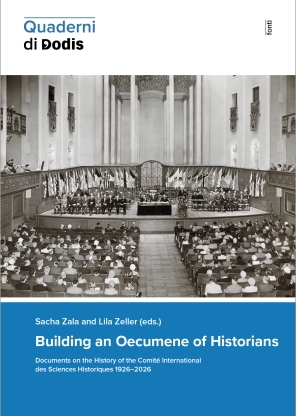
The volume edited by Sacha Zala and Lila Zeller in the series Quaderni di Dodis from the Dodis research centre (Diplomatic Documents of Switzerland) presents 50 documents and provides access to a total of approximately 340 documents through the Dodis database, tracing these developments from 1926 to 2026. It brings together sources from several archives showing how cooperation among historians was organised, transformed and sustained across changing political and intellectual contexts.
The book can be downloaded as a PDF or e-book, or ordered as a print-on-demand copy on the Dodis website.
To mark the CISH’s 50th anniversary, Secretary General Michel François (1950–1980) wrote an article published in Information Bulletin No. 10 (1974–1976).
Obituaries published in the CISH Bulletin.
The origins of the CISH can be traced back to a series of international congresses held in the late nineteenth and early twentieth centuries.
As early as 1898, the Congress of Diplomatic History held in The Hague — organised by the Société d’histoire diplomatique under the impetus of the French scholar René de Maulde-La Clavière — laid the groundwork for structured international scholarly exchange. This was followed in 1900 by the Congress of Comparative History in Paris, held alongside the World Exhibition, which reflected both a desire to assert history as a rigorous scientific discipline and the broader climate of national rivalry in which historical scholarship was deeply embedded. Subsequent congresses in Rome (1903), Berlin (1908), and London (1913) steadily expanded in scope and participation, before the First World War brought this momentum to a halt.
When international cooperation resumed, the 1923 Brussels Congress proved a turning point: driven by Henri Pirenne and inspired by Wilsonian ideals of peaceful international collaboration, the foundations were set for a permanent institution. CISH was formally established in Geneva in 1926, with the aim of providing historians with a stable institutional framework through which to meet regularly, present their work, and compare their methodologies.
Since 2018, the CISH has been publishing a newsletter. Click here to subscribe.
Newsletter 1 (2018)
Newsletter 2 (2019)
Newsletter 3 (2020)
Newsletter 4 (2021)
Newsletter 5 (2022)
Newsletter 6 (2022)
Newsletter 7 (2022)
Newsletter 8 (2023)
Newsletter 9 (2024)
Newsletter 10 (2026)
From its foundation until 1938, the CISH published a Bulletin des sciences historiques.
From 1953 to 2003 (Issue 29), the CISH published an Information Bulletin. A complete collection of the Information Bulletin can be found at the French National Library.
Serial record Bulletin des sciences historiques
Serial record Bulletin d’information
A retrodigitized edition of the Information Bulletins from 1953 to 1973 is available below.
Bulletin 1
Bulletin 2
Bulletin 3
Bulletin 4
Bulletin 5
Bulletin 6
Bulletin 7
Bulletin 8
Bulletin 9
View commemorative notices of CISH members here.
In 2005, in the wake of the publication of the English translation of Karl Dietrich Erdmann’s book and on the eve of the CISH 80th anniversary, the publication in the Bulletin of the archival guide for the two main repositories of the CISH archives seemed a good idea.
In 2001, the Centre historique des archives nationales published a detailed repertoire of the CISH collection deposited at the National Archives of France, under the reference 105 AS.
The Archives nationales de France hold the bulk of the Secretary General’s archives, since 1950 principally. The whole collection is accessible without restrictions as of 1 January 2006. Researchers should also look into the Fonds of the Comité français des sciences historiques (70 AJ) for other documents.
The CISH also has a collection at the Bibliothèque cantonale et universitaire de Lausanne.
It holds the collection of papers of the Treasurers and other documents. An inventory is not available, but the classification guide provides an overview of its contents.
Classification framework for the CISH archives deposited at the Bibliothèque cantonale et universitaire de Lausanne
CISH archives were used extensively by Professor K. D. Erdmann and his research assistant, Agnes Blänsdorf, when preparing the original 1987 edition. Agnes Blänsdorf has also produced an updated bibliography of sources in the current English edition of the volume.
Agnes Blänsdorf, Une collaboration scientifique «dans un esprit vraiment œcuménique et international» : Les congrès internationaux d’historiens et le Comité International des Sciences Historiques dans l’Entre-deux-guerres, in: Revue germanique internationale 12 (2010), 209-228.
Alan Forrest, Un effort missionnaire: la révolution française et le CISH, Annales historiques de la Révolution française 353 (2008), 259-273.
Le Comité international des sciences historiques: son activité, ses congrès, son organisation, ses collaborateurs, Washington 1932.
Karl Dietrich Erdmann, Toward Global Community of Historians. The International Congresses and the International Committee of historical sciences 1898-2000, Berghahn Books 2005.